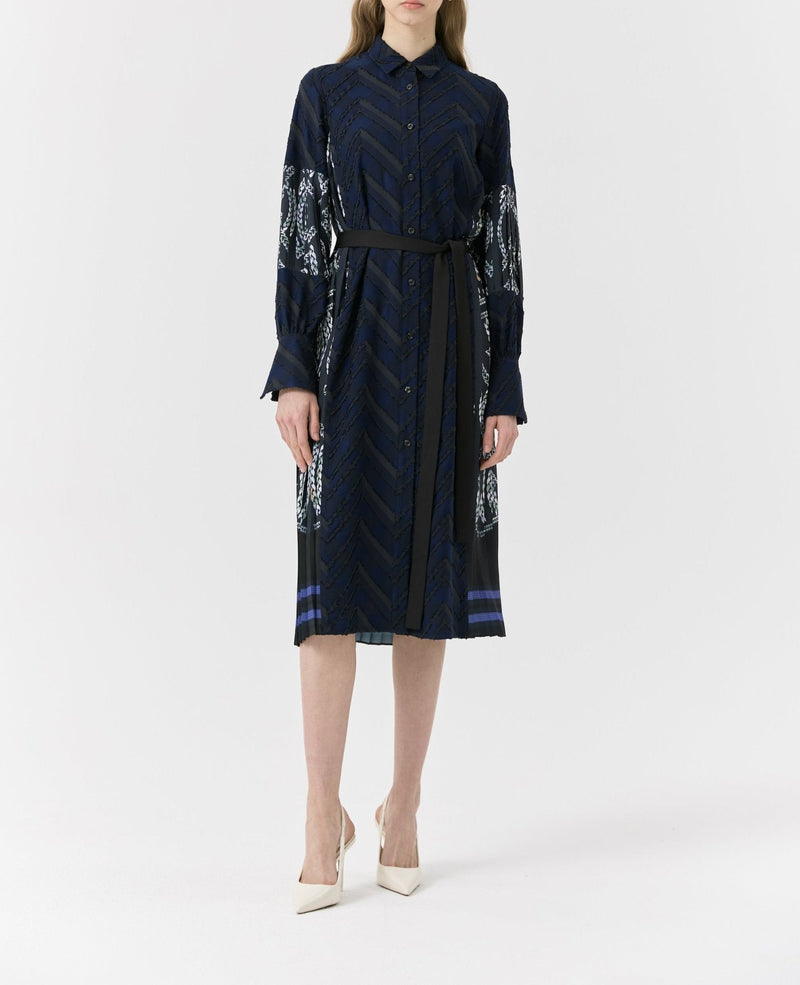
The Psychology of Polished Dressing: Why Refinement Shapes Confidence and Composure
Polish is not perfection. It is not flawlessness. It is not extravagance. It is not trend compliance.
Polish is coherence. It is the visible alignment between silhouette, proportion, fabric, and restraint. It is the quiet harmony that communicates intention before a word is spoken.
Long before conversation begins, long before credentials are discussed, long before personality is revealed — appearance forms a framework. Within seconds, the brain organizes visual information and draws conclusions about confidence, composure, reliability, and care.
Clothing does not define intelligence. It does not determine capability. But it shapes perception — and perception shapes interaction.
Polished dressing operates at that intersection.
At BTK COLLECTIONS, refinement is not decorative. It is structural. It is proportion-driven. It is textile-aware. It is deliberately restrained.
This guide explores what polished dressing truly means — and how proportion, fabric, and thoughtful styling shape both how others see you and how you feel within yourself.
What “Polished” Actually Means
The word “polished” is often used casually — to describe something neat, well-groomed, or put together. But in fashion psychology, polished dressing carries deeper significance.
Polish is visual order.
When elements align — waist placement, hem length, fabric weight, neckline shape — the mind experiences stability. There is no visual confusion. No competing focal points. No imbalance.
Polished dressing is not about ornament.
It is about:
-
Defined silhouette
-
Balanced proportion
-
Fabric that holds its shape
-
Details that are intentional, not excessive
-
Accessories that frame rather than dominate
Visual noise creates cognitive friction. Visual coherence creates calm.
This calm is interpreted subconsciously as composure.
Why the Brain Responds to Refinement
Human perception prioritizes pattern recognition. The brain constantly scans for harmony, symmetry, and structure.
When a silhouette appears balanced:
-
The eye moves smoothly from shoulder to waist to hem.
-
The brain registers alignment.
-
The wearer appears composed.
When clothing lacks proportion:
-
The eye pauses.
-
The brain searches for structure.
-
The result feels unsettled.
This is why waist definition matters. This is why hem placement matters. This is why fabric weight matters.
Refinement reduces friction.
And when friction is reduced, confidence increases — both internally and externally.
The Difference Between Structure and Polish
Structure and polish are related — but not identical.
Structure is mechanical. It refers to tailoring, seam placement, waist shaping, shoulder definition, and architectural silhouette.
Polish is holistic.
It includes structure, fabric choice, grooming, styling restraint, proportional balance, and context awareness.
Where structure builds framework, polish completes the composition.
For readers interested in silhouette mechanics specifically, our article on the psychology of structure explores how tailoring and waist placement shape visual balance.
Polished dressing builds upon that structural foundation and expands it into total presentation.
Proportion as the Foundation of Composure
Proportion is the architecture of composure.
When the waist sits at its natural position, the body appears balanced. When the hemline lands at a flattering midpoint — such as a midi length — movement feels fluid.
Midi silhouettes, in particular, offer visual stability.
They:
-
Elongate without exaggeration
-
Maintain modesty without stiffness
-
Balance upper and lower body proportion
Within the BTK COLLECTIONS edit, dresses such as the Red Belted Pencil Midi Dress or the Lace Insert Pleated Midi Dress demonstrate how waist emphasis and controlled drape create visual calm.
For those drawn to refined European proportion, our guide to Nissa Dresses: Elegant European Midi & Occasion Styles for Women explores how silhouette balance creates enduring elegance across occasions.
Confidence is rarely loud. It is balanced.
Fabric and the Psychology of Texture
Texture influences perception more than color.
Fabric determines how a garment interacts with light, movement, and posture.
Satin
Satin reflects light softly. It enhances motion without glare. It communicates refinement in both professional and evening settings.
Velvet
Velvet absorbs light, creating visual depth. It feels grounded and substantial — particularly effective in colder seasons or formal environments.
Structured Cotton & Textured Weaves
These materials hold shape throughout the day. They suggest reliability and stability.
Chiffon (When Anchored)
Chiffon alone may appear fragile. When balanced by waist definition or structured bodice, it becomes controlled softness — a blend of movement and composure.
For a deeper exploration of how textiles influence refinement, see Fabric Matters: Why Textile Choice Elevates Professional Wear.
Fabric transforms dressing from decorative to deliberate.
Grooming, Detail, and the Subtle Language of Restraint
Polish is cumulative.
It includes:
-
Steamed fabric
-
Proper sleeve length
-
Clean neckline lines
-
Balanced jewelry
-
Considered footwear
Excess creates distraction. Restraint creates refinement.
Jewelry should frame the face, not compete with it. A delicate necklace or sculptural earring can complete a look without overpowering silhouette.
The goal is not to impress through volume — but to refine through clarity.
Polished Dressing in Professional Environments
Professional polish varies by environment, but coherence remains constant.
Corporate Settings
-
Structured midi dresses
-
Sleeve coverage
-
Neutral palettes
-
Defined waistlines
Silhouettes such as the Lace Insert Pleated Midi Dress offer stability without severity.
For a focused breakdown of refined professional silhouettes, explore structured work dresses for professional women.
Client-Facing Roles
Soft pleating paired with waist definition creates warmth without sacrificing composure.
Creative Fields
Texture and subtle print can be introduced — provided proportion remains controlled.
Refinement adapts. It does not disappear.
The Emotional Impact of Dressing with Intention
Clothing influences behavior.
When a silhouette aligns with natural proportion, posture improves. When fabric feels stable, movement feels controlled.
Polished dressing supports:
-
Reduced decision fatigue
-
Greater ease in conversation
-
Stronger posture
-
Internal calm
Confidence is not just external perception.
It is internal alignment.
When clothing feels coherent, the mind feels steady.
Refinement vs Trend Reaction
Trend cycles prioritize novelty.
Refinement prioritizes longevity.
| Refined Dressing | Trend Reaction |
|---|---|
| Balanced silhouette | Extreme proportion |
| Defined waist | Oversized shape |
| Fabric integrity | Disposable texture |
| Repeat wear | Single-event use |
| Visual calm | Visual experimentation |
Refinement remains steady while trends rotate.
At BTK COLLECTIONS, silhouettes are curated for rewear potential — not momentary impact.
Seasonal Refinement
Polish adapts through textile and layering — not complete reinvention.
Spring & Summer
Lightweight satin, structured chiffon, soft pleated midis.
Fall
Textured viscose, tailored layering, refined sleeves.
Winter
Velvet, brocade, sculpted bodices.
For a comprehensive seasonal breakdown of adaptable silhouettes, explore elegant midi dresses for every season.
The silhouette remains stable. The fabric evolves.
Building a Polished Wardrobe
A refined wardrobe is built slowly and intentionally.
Begin with:
-
One structured midi for professional environments
-
One versatile pleated silhouette
-
One evening-ready cocktail dress
-
One fabric-forward piece (velvet or satin)
Explore the curated cocktail dresses for women collection for evening silhouettes that maintain composure.
Polish grows through repetition and rotation — not reinvention.
Refinement Across Occasions
Polished dressing does not exist in isolation.
The same principles that shape a refined work dress — proportion, fabric integrity, restraint — also apply to evening silhouettes and seasonal dressing.
A structured midi worn to the office reflects the same composure as a velvet cocktail dress worn to a formal dinner. The difference lies in context, not philosophy.
When proportion remains balanced and fabric remains intentional, refinement carries across:
-
Professional environments
-
Client meetings
-
Celebratory evenings
-
Transitional seasons
The silhouette may shift slightly. The textile may evolve, but composure remains constant.
Refinement is not compartmentalized. It is consistent.
Final Thoughts: Confidence Through Alignment
Polished dressing is not extravagance. It is alignment.When proportion, fabric, silhouette, and restraint converge, the result is clarity. And clarity communicates confidence and composure.
Whether in professional settings or evening environments, refinement speaks quietly — but it speaks clearly.
Explore proportion-driven silhouettes and refined textiles at BTK COLLECTIONS and build a wardrobe shaped by balance, intention, and composure.