What Is a Midi Dress? A Complete Guide to This Timeless Women's Fashion Essential
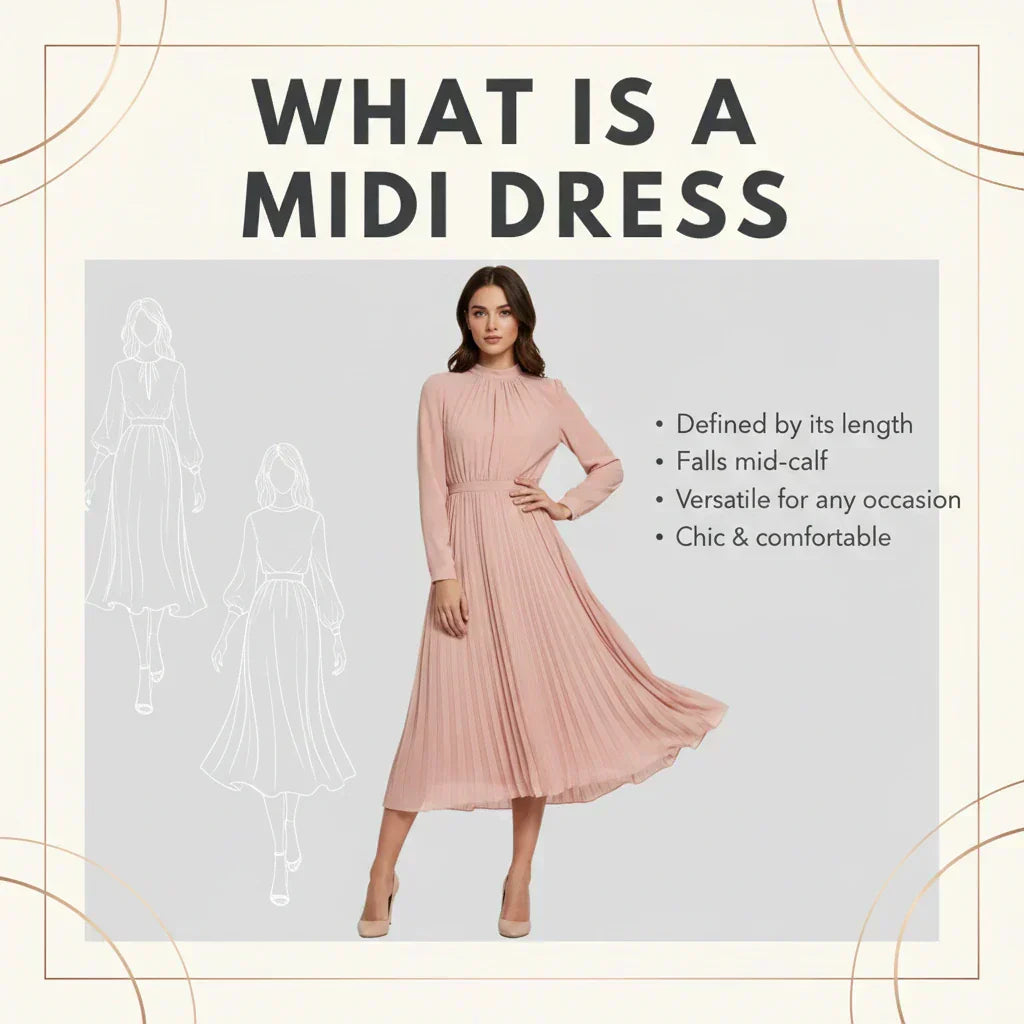
A midi dress is a dress that falls below the knee and above the ankle, most often around the mid-calf. It is longer than a knee-length dress but shorter than a maxi dress, giving it a polished, versatile look that works for everyday wear, office outfits, weddings, special occasions, travel, and evening plans.
The exact length can look different on every woman. On someone petite or around 5'3", a midi dress may fall at mid-calf, lower calf, or closer to the ankle, depending on the design. The same dress may sit higher on a taller woman. That is why understanding midi dress length, designer measurements, and possible alterations can help you choose the right style with confidence.
At BTK Collections, our curated midi dresses are selected for women who value elegance, proportion, comfort, and timeless style. Whether you are shopping for work, a wedding, a special event, or an everyday wardrobe essential, the midi dress remains one of the most useful silhouettes in women’s fashion.
What Is a Midi Dress?

A midi dress is defined by its hemline. The term “midi” refers to a dress length that falls between the knee and the ankle, usually around the middle of the calf.
A midi dress can come in many silhouettes, including fitted, flowing, structured, pleated, wrap-style, sleeveless, short-sleeve, or long-sleeve designs. The length is what makes it a midi dress, not the shape.
What makes the midi dress so popular is its balance. It offers more coverage than a mini dress while feeling lighter and easier to move in than a full maxi dress. This in-between length creates a polished appearance that can be styled casually, professionally, or formally depending on the fabric, shoes, and accessories.
What Is the Length of a Midi Dress?

A midi dress generally falls:
-
Below the knee
-
Above the ankle
-
Around the mid-calf
However, there is no single universal measurement that applies to every midi dress. The finished length can vary depending on the designer, brand, size, silhouette, fabric, and where the garment is measured from.
Some designers measure dress length from the shoulder. Others may measure from the high point shoulder, back neck, waist, or another garment point. This is why two midi dresses from different designers can both be called “midi” but fit very differently on the body.
The best way to understand midi length is visually: the hem should fall somewhere between the knee and ankle. For a full breakdown of dress lengths, compare midi styles with mini, knee-length, tea-length, and maxi dresses in our dress length guide.
How Midi Dress Length Looks on Different Heights
 Height plays a major role in how a midi dress appears when worn.
On taller women, a midi dress may land closer to the traditional mid-calf area. On petite women, the same dress may fall lower on the calf or closer to the ankle. This does not mean the dress is wrong. It simply means the length will create a different proportion depending on the wearer.
The most flattering midi dress is not always the one that follows a strict measurement. It is the one that creates balance for your height, body shape, shoes, and personal style.
Midi Dresses for Petite Women
Petite women can absolutely wear midi dresses. The key is choosing the right proportion.
For women who are petite or around 5'3", a midi dress may appear longer than it does on the model. Depending on the dress, it may fall at mid-calf, lower calf, or close to the ankle. Some women prefer this longer, elegant look. Others may want the hem altered so the dress lands slightly below the knee or at a more flattering point on the calf.
Petite shoppers should pay close attention to:
-
The listed dress length
-
The model’s height, if provided
-
The waist placement
-
Whether the dress has a slit
-
Whether the silhouette is fitted, A-line, or flowing
-
The shoes they plan to wear with the dress
A midi dress with a defined waist, vertical details, a side slit, or a slightly higher hemline can help create a lengthening effect.
Why Designer Measurements Matter
Designer sizing and measurements are not always the same. One brand’s midi dress may fit closer to the knee, while another brand’s midi dress may feel closer to ankle length.
This is especially important when shopping off the rack. A dress may be beautifully made, but the length may still need a small alteration depending on your height and preference.
Before buying a midi dress online, review the product measurements carefully. Compare the listed length with a dress you already own and like. You can also measure from your shoulder, waist, or natural starting point to the place where you want the hem to fall.
Off-the-rack dresses are designed to fit a range of customers, but they may not create the exact preferred length for every person. Altering the hem is a personal decision and can be a smart option if you want a more customized fit.
Should You Alter a Midi Dress?
You may want to alter a midi dress if the hem feels too long, cuts at an unflattering point on the calf, or does not match the look you want.
For petite women, a simple hem adjustment can make a midi dress feel more balanced. For example, you may prefer the hem to fall just below the knee, slightly below mid-calf, or a few inches above the ankle.
Before altering a midi dress, consider:
-
Whether you will wear it with heels, flats, boots, or sandals
-
Whether the current length feels flattering on your leg
-
Whether the dress has a slit, pleats, embroidery, lace, or trim
-
Whether the fabric can be hemmed cleanly
-
Whether altering the dress will affect the overall shape
-
Whether you prefer a classic midi length or a longer tea-length effect
The goal is not to make every midi dress hit the same spot. The goal is to choose the length that feels flattering, comfortable, and right for you.
Why Midi Dresses Are So Popular
Midi dresses remain popular because they work for so many occasions. A single midi dress can be styled in different ways depending on where you are going.
Midi dresses can be worn for:
-
Work and office settings
-
Business casual outfits
-
Weddings
-
Cocktail parties
-
Special events
-
Dinners
-
Vacations
-
Holiday celebrations
-
Everyday wear
This versatility makes the midi dress one of the most practical pieces in a woman’s wardrobe. With the right styling, it can feel polished for the office, elegant for an event, or relaxed for the weekend.
Why Midi Dresses Flatter Many Body Types
Midi dresses can flatter many body types when the length, silhouette, and proportions are chosen thoughtfully.
A wrap midi dress can define the waist. An A-line midi dress can create movement and balance. A structured midi dress can give a polished, refined appearance. A fitted midi dress can create a sleek evening look. A shirt midi dress can feel relaxed but still put together.
The key is choosing a dress that works with your shape rather than against it. A well-designed midi dress should skim the body comfortably, move naturally, and create a balanced line from shoulder to hem.
Types of Midi Dresses
The midi category includes many different silhouettes. Choosing the right one depends on your occasion, personal style, and preferred fit.
Wrap Midi Dresses
Wrap midi dresses are known for their flattering shape and adjustable waist. The wrap design helps define the figure while allowing comfort and movement.
They are ideal for:
-
Workdays
-
Lunch meetings
-
Travel outfits
-
Business casual settings
-
Day-to-evening dressing
A wrap midi dress is a dependable choice when you want comfort without losing polish.
A-Line Midi Dresses
A-line midi dresses gently flare from the waist, creating movement and balance. This silhouette works well for many body types because it defines the waist while offering ease through the skirt.
A-line midi dresses are suitable for daytime events, weddings, work occasions, and polished everyday outfits.
Shirt Midi Dresses
Shirt midi dresses are inspired by classic tailoring. They often include collars, buttons, belts, or structured details.
This style is especially useful for business casual dressing because it feels polished without being overly formal. A shirt midi dress can be styled with loafers, ankle boots, sandals, or a structured handbag.
Fitted Midi Dresses
Fitted midi dresses create a sleek silhouette and are often chosen for cocktail events, formal dinners, and evening occasions.
For a refined look, choose quality fabric with enough structure to skim the body comfortably. A fitted midi dress should feel elegant, not restrictive.
Pleated Midi Dresses
Pleated midi dresses add texture and movement while maintaining sophistication. They work beautifully for events, dinners, and polished daytime dressing.
Pleats can also help create visual interest without relying on bold prints or heavy embellishment.
Knit Midi Dresses
Knit midi dresses are comfortable, flexible, and easy to wear. They are often ideal for casual styling, travel days, and cooler seasons.
For a more elevated look, choose a structured knit dress and pair it with boots, a tailored coat, or simple jewelry.
Why Midi Dresses Are Perfect for Work
Midi dresses have become a favorite for professional women because they offer coverage, comfort, and polish. The longer length makes them appropriate for many office environments, while the silhouette still feels modern and feminine.
For professional settings, look for midi dresses with structured fabrics, clean lines, refined colors, and comfortable movement. Crepe, ponte, cotton blends, and wool blends can all work well for office dressing.
Midi dresses are especially useful because they can transition from desk to dinner with only small styling changes. Add a blazer for meetings, then switch to statement jewelry or a smaller handbag for after-work plans.
Explore women’s work dresses for polished office-ready styles, or browse structured work dresses for tailored silhouettes designed for professional settings.
What Shoes to Wear With a Midi Dress
Shoes play an important role in styling a midi dress because the hemline falls between the knee and ankle. The right shoe can lengthen the leg, balance the silhouette, and define the overall mood of the outfit.
Pumps
Classic pumps create a polished look for work, meetings, formal events, and professional occasions. They help elongate the leg and pair especially well with structured midi dresses.
Strappy Heels
Strappy heels are ideal for weddings, cocktail events, dinners, and evening celebrations. They add elegance without overpowering the dress.
Ankle Boots
Ankle boots work well with midi dresses during fall and winter. Fitted ankle boots that sit close to the leg create the cleanest line.
Knee-High Boots
Knee-high boots can look sophisticated when worn under the hem of a midi dress. This styling works especially well with long-sleeve dresses, knit dresses, and seasonal fabrics.
Flats
Pointed-toe flats, slingbacks, and polished leather flats can look elegant with midi dresses while keeping the outfit comfortable.
Sneakers
Clean sneakers can be worn with casual cotton, knit, or relaxed midi dresses. This creates an easy everyday outfit that feels modern and comfortable.
How to Style a Midi Dress for Different Occasions
One of the greatest strengths of the midi dress is its ability to adapt. The same length can feel professional, romantic, casual, or formal depending on how it is styled.

Midi Dresses for Work
For work, choose tailored silhouettes, neutral colors, and structured fabrics. Add a blazer, simple jewelry, and closed-toe shoes for a professional finish.
Good workwear options include:
-
Structured midi dresses
-
Shirt midi dresses
-
Wrap midi dresses
-
Long-sleeve midi dresses
-
Neutral or subtle printed midi dresses
Midi Dresses for Weddings
Midi dresses are one of the most popular choices for wedding guests because they feel elegant without being too formal. Satin, floral prints, lace, soft draping, and refined details work beautifully for weddings.
For wedding guest styling, pair your midi dress with heels, a clutch, and delicate jewelry. Browse designer occasion dresses for elevated event-ready styles.
Midi Dresses for Special Events
For cocktail parties, formal dinners, celebrations, and holiday events, choose luxurious fabrics and refined details. Satin, velvet, pleated, or fitted midi dresses can feel sophisticated while still being easier to wear than a full-length gown.
For elegant celebrations, explore special occasion dresses designed for weddings, receptions, parties, and evening events.
Casual Midi Dresses
For everyday wear, choose breathable fabrics, relaxed silhouettes, shirt dresses, or soft knit styles. Pair with sandals, sneakers, flats, or simple boots depending on the season.
A casual midi dress is ideal for errands, lunches, vacations, and relaxed weekends.
Midi Dresses for Travel
Midi dresses are practical for travel because they offer comfort, coverage, and easy styling. A wrinkle-resistant fabric, relaxed shape, or belted silhouette can help you look polished while staying comfortable.
Choose shoes that are easy to walk in and add a lightweight jacket, cardigan, or crossbody bag for convenience.
Best Fabrics for Midi Dresses
Fabric changes how a midi dress looks, feels, and moves. The same length can feel casual, professional, or formal depending on the material.
Satin Midi Dresses
Satin midi dresses are elegant, fluid, and ideal for weddings, dinners, cocktail events, and evening celebrations. They create a soft, polished finish and pair well with heels and delicate accessories.
Cotton Midi Dresses
Cotton midi dresses are breathable and versatile. They are excellent for everyday wear, warm-weather dressing, vacations, and casual business settings.
Crepe Midi Dresses
Crepe is a strong choice for workwear and polished occasions. It offers refined texture, elegant drape, and a professional appearance.
Knit Midi Dresses
Knit midi dresses are comfortable and easy to wear. Depending on the structure of the knit, they can work for casual outfits, travel, or elevated cold-weather dressing.
Velvet Midi Dresses
Velvet midi dresses feel rich and sophisticated, making them ideal for evening events, winter weddings, holiday parties, and formal celebrations.
How to Accessorize a Midi Dress
Accessories help define the final mood of a midi dress. A simple midi can become office-ready with a blazer and structured handbag, or evening-ready with jewelry and heels.
For daytime, keep accessories simple and refined. For evening, add a clutch, statement earrings, a pearl necklace, or metallic heels.
Complete your outfit with designer handbags for work, travel, and event styling, or add finishing touches from our women’s jewelry collection.
Are Midi Dresses Appropriate for Formal Events?
 Yes, midi dresses can be appropriate for formal events when the fabric, structure, and styling are elevated.
While floor-length gowns remain traditional for some black-tie occasions, elegant midi dresses are often suitable for weddings, cocktail events, galas, holiday celebrations, formal dinners, and evening parties.
A formal midi dress may include:
-
Satin fabric
-
Velvet texture
-
Elegant draping
-
Refined tailoring
-
Lace or embroidery
-
Pleated details
-
Sophisticated accessories
A cotton midi dress with sandals may feel casual, but a satin or velvet midi dress with heels, jewelry, and a polished handbag can feel formal and refined.
How to Choose the Right Midi Dress
When choosing a midi dress, think beyond the label. The word “midi” tells you the general length, but the right dress depends on fit, proportion, fabric, and purpose.
Before buying, consider:
-
Where will you wear it?
-
Does the length work for your height?
-
Does the fabric match the occasion?
-
Can you move comfortably in it?
-
Does the waistline sit in the right place?
-
What shoes will you wear with it?
-
Will the dress need alteration?
-
Does the style feel timeless enough to wear again?
A midi dress should not only look beautiful on the hanger. It should feel balanced, comfortable, and useful in your wardrobe.
Final Thoughts
The midi dress has earned its place as one of the most versatile essentials in women’s fashion. Positioned between mini and maxi lengths, it offers elegance, comfort, coverage, and styling flexibility.
Whether you are dressing for work, attending a wedding, preparing for a special event, or building a polished everyday wardrobe, a midi dress can adapt to your lifestyle. The key is understanding how the length works on your height, how designer measurements vary, and whether an off-the-rack dress needs alteration to achieve your preferred fit.
A well-chosen midi dress should feel balanced, comfortable, and timeless. It should move with you, suit the occasion, and give you confidence every time you wear it.
Explore BTK Collections’ Midi Dresses Collection to discover sophisticated styles designed for work, weddings, special occasions, and everyday elegance.
Frequently Asked Questions
Are midi dresses flattering on all body types?
Midi dresses can flatter many body types when the silhouette, length, and proportions are chosen thoughtfully. Wrap midi dresses define the waist, A-line midi dresses add movement, and structured midi dresses create a polished shape.
Can petite women wear midi dresses?
Yes. Petite women can wear midi dresses beautifully. On someone petite or around 5'3", a midi dress may fall at mid-calf, lower calf, or closer to the ankle. Some women like this longer look, while others may choose to alter the hem for a more customized length.
How does a midi dress fit someone who is 5'3"?
On someone around 5'3", a midi dress may look longer than it does on a taller model. Depending on the dress, it may fall around the mid-calf, lower calf, or closer to the ankle. The buyer should decide whether the off-the-rack length works for her or whether she prefers to alter the dress.
Do all designers measure midi dresses the same way?
No. Designer measurements can vary by brand, style, size, and construction. Some designers measure from the shoulder, while others may measure from the high point shoulder, back neck, waist, or another point. Always review the product’s listed measurements before purchasing.
Should I alter a midi dress if it is too long?
Yes, if the dress feels too long for your height or personal preference. Altering the hem can help the dress fall at a more flattering point, especially for petite women. This is a personal styling decision and is common with off-the-rack dresses.
Is a midi dress still a midi dress if it looks longer on a petite woman?
Yes. A midi dress is generally defined as a dress that falls below the knee and above the ankle. On a petite woman, the same dress may look longer, but it can still be considered a midi dress.
How can I check midi dress length before buying online?
Check the product’s listed measurements and compare them with a similar dress you already own. Also review the model height, fabric, silhouette, and product photos. If you want a very specific hem placement, you may need to alter the dress after purchase.
Are midi dresses suitable for work?
Yes. Midi dresses are among the most popular professional dress styles because they combine coverage, comfort, and polish. Structured midi dresses, shirt midi dresses, wrap midi dresses, and long-sleeve midi dresses can all work well for office settings.
Can midi dresses be worn year-round?
Yes. Midi dresses can be worn in every season. Choose cotton or lightweight fabrics for spring and summer, and choose knit, wool-blend, velvet, or long-sleeve styles for fall and winter.
Are midi dresses still in style?
Yes. Midi dresses remain one of the most timeless dress lengths in women’s fashion. Their versatility, flattering proportions, and ability to work across many occasions make them a lasting wardrobe essential.